
Procedure Arrivals

Transportation can be organized around established check-in times, procedure schedules, and facility arrival requirements.
Transportation Planned Around the Procedure Day
A patient arriving on time is only one part of the transportation plan. Surgery centers also need to account for approved non-emergency times, post-procedure transportation, accessibility requirements, and approved discharge arrangements.
HPH builds dedicated non-emergency transportation programs around procedure schedules, patient-ready times, facility workflows, and day surgery center demands.
HPH coordinates transportation around the full procedure-day workflow—from scheduled arrival through the patient's approved departure from the facility.
Transportation can be organized around established check-in times, procedure schedules, and facility arrival requirements.

HPH coordinates non-emergency transport to approved destinations after discharge.

Surgery centers usually need patients to leave with an adult unless exempted by the physician. HPH can help with transportation for discharge.

Recovery does not always follow an exact clock. Transportation procedures can be structured around patient-ready times that change throughout the day.

Facility teams contact HPH directly when schedules, patient readiness, destinations, or transport needs change.

A defined transportation process helps facilities address arrival and departure requirements before transportation becomes a day-of operational problem.

Coordinated transportation gives staff an established process once the patient is cleared to leave and the facility's discharge requirements have been met.

Flexible coordination helps transportation respond when patient-ready times differ from the original schedule.

HPH manages drivers, schedules, communication, and day-to-day transportation changes so surgery center teams spend less time arranging individual rides.

Established pickup locations, communication procedures, and transportation expectations give staff a clearer process throughout the procedure day.
Review procedure volume, recovery patterns, pickup locations, and accessibility needs.
Define drivers, vehicles, pickup procedures, and communication workflows.
Assign resources, coordinate with surgery center teams, and integrate into the procedure-day workflow.
Review arrival patterns, patient-ready times, vehicle use, and procedure demand.
Programs can support approved non-emergency transportation for scheduled procedure arrivals and post-procedure departures, along with recurring and accessible transportation needs included in the client program.
Transportation can be organized around established check-in times, procedure schedules, and facility arrival requirements.
Recovery does not always follow an exact clock. Transportation procedures can be structured around patient-ready times that change throughout the day, and facility teams can contact HPH when readiness, destinations, or transport needs change.
Surgery centers usually need patients to leave with an adult unless exempted by the physician. HPH can help with transportation for discharge. Whether a driver meets a facility's responsible-adult requirement is determined by the surgery center and the physician.
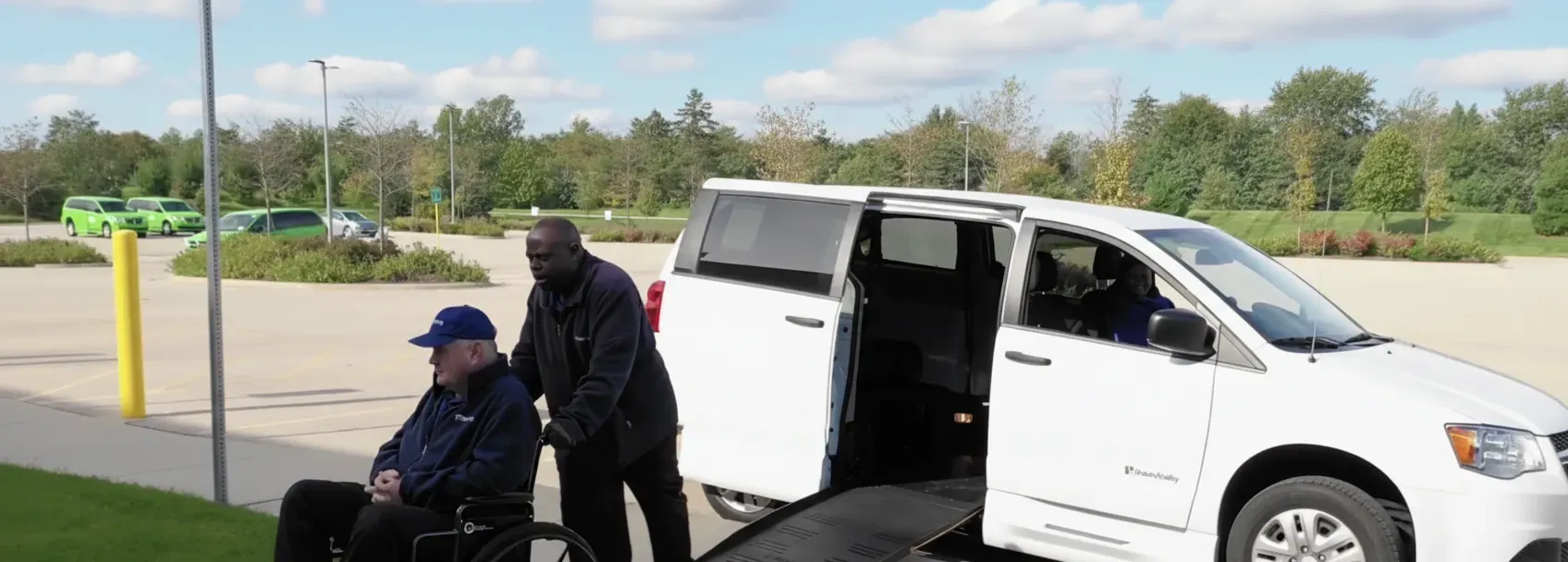
Vehicles can support patients with mobility devices when accessible transportation is included in the program.
Programs can include accessible transportation for patients using wheelchairs, walkers, and other mobility devices.