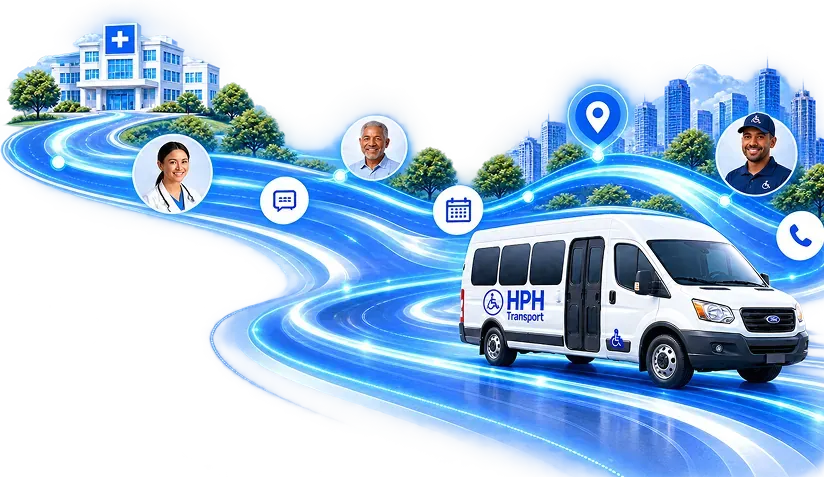
ACO & Value-Based Care

Dedicated transportation can help ACOs and community providers support patients in preventive care, follow-up visits, recurring treatment, and other approved services in the local service area.
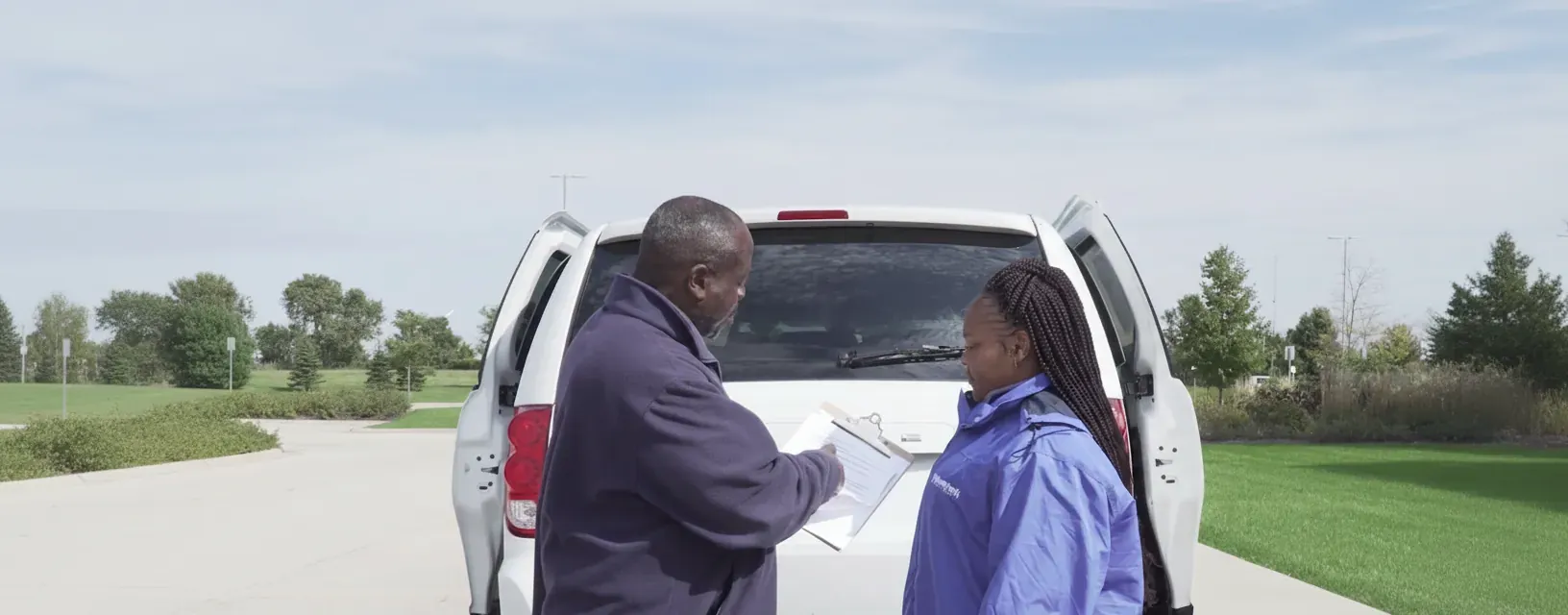
Help Patients Stay Connected to Local Care
Community health clinics often serve patients who depend on reliable access to primary care, preventive services, follow-up appointments, and other non-emergency healthcare. HPH builds dedicated transportation programs around clinic schedules, patient demand, recurring care needs, local service areas, and day-to-day clinic operations.
For community-based clinics, transportation needs can change throughout the day as appointment schedules, patient demand, and recurring care needs shift. HPH creates a defined transportation program around the clinic rather than requiring staff to coordinate each patient ride separately.
Dedicated transportation can help ACOs and community providers support patients in preventive care, follow-up visits, recurring treatment, and other approved services in the local service area.

Transportation can support approved preventive care visits, screenings, wellness appointments, and other scheduled healthcare services.

Recurring transportation can be scheduled around standing clinic schedules for treatment, including IOP, PHP, dialysis, recurring behavioral health, rehabilitation, and other approved recurring outpatient care.
Programs can support follow-up visits, screenings, and other approved care that depends on consistent access.

Transportation schedules stay aligned with clinic hours, appointment patterns, and daily clinic operations.

Patients develop more consistent relationships with drivers. Drivers learn clinic entrances, pickup procedures, and workflows.

A defined transportation program can help patients reach healthcare services when transportation would otherwise make access more difficult.

Reliable transportation helps patients stay connected to screenings, preventive services, follow-up visits, and continuing care.

Patients in IOP, PHP, or rehab may need transport weekly. Dedicated drivers and set schedules ensure consistent access to care.

HPH manages drivers, schedules, communication, and day-to-day transportation changes so clinic staff spend less time arranging individual rides.

Transportation resources can be adjusted around changes in appointment volume, operating hours, recurring care needs, routes, and patient demand.

Community health clinics and ACOs rely on connecting patients to primary care and preventive services. HPH creates transportation programs based on clinic schedules and patient needs.
Review clinic locations, appointment patterns, patient volume, service area, and current transportation challenges.
Define drivers, vehicles, schedules, routes, pickup procedures, and communication workflows around clinic operations.
Assign transportation resources, establish coordination with clinic teams, and begin scheduled transportation.
Review transportation activity, routes, vehicle utilization, and patient needs so the program adjusts with the clinic.
Depending on the client program, transportation can support primary care, preventive services, screenings, follow-up appointments, recurring treatment, rehabilitation, behavioral health services, and other approved non-emergency healthcare visits.
Recurring transportation can be scheduled around standing clinic schedules, including treatment that happens weekly or on a repeating cadence.
A program can be designed around clinic locations, local service areas, routes, and pickup procedures so transportation stays aligned with how the clinic operates.
Transportation resources can be adjusted around changes in appointment volume, operating hours, recurring care needs, routes, and patient demand.
Vehicles can support patients with mobility devices when accessible transportation is included in the program.
One program can support primary care, preventive services, screenings, follow-up visits, recurring treatment, and other approved non-emergency care included in the client program.