
Getting discharged from the hospital should feel like a win. For many patients, it does not. No ride confirmed. A long wait at the entrance. No one to assist them to the car. These feel like small problems. But for patients already recovering from illness or surgery, they can quickly become serious ones.
Hospital discharge transportation is one of the most underdiscussed parts of the patient care continuum. Yet it directly influences whether a patient recovers well at home or ends up back in the emergency room within 30 days. This article covers what discharge transportation actually is, why it matters for health outcomes, and what quality looks like in practice.
What Is Hospital Discharge Transportation?
Hospital discharge transportation is the organized, safe movement of a patient from a hospital or care facility back to their home or another care setting after they have been medically cleared to leave.
It is part of the broader discharge planning process that hospital staff coordinates before a patient walks out the door.
This is not emergency medical transportation. Patients being discharged do not need an ambulance. What they need is a reliable, appropriate ride that supports their recovery rather than disrupting it.
How Discharge Transport Differs From a Regular Ride
A standard cab or rideshare can get someone across town. But hospital discharge transportation is a different category of service entirely.
Here is what sets it apart:
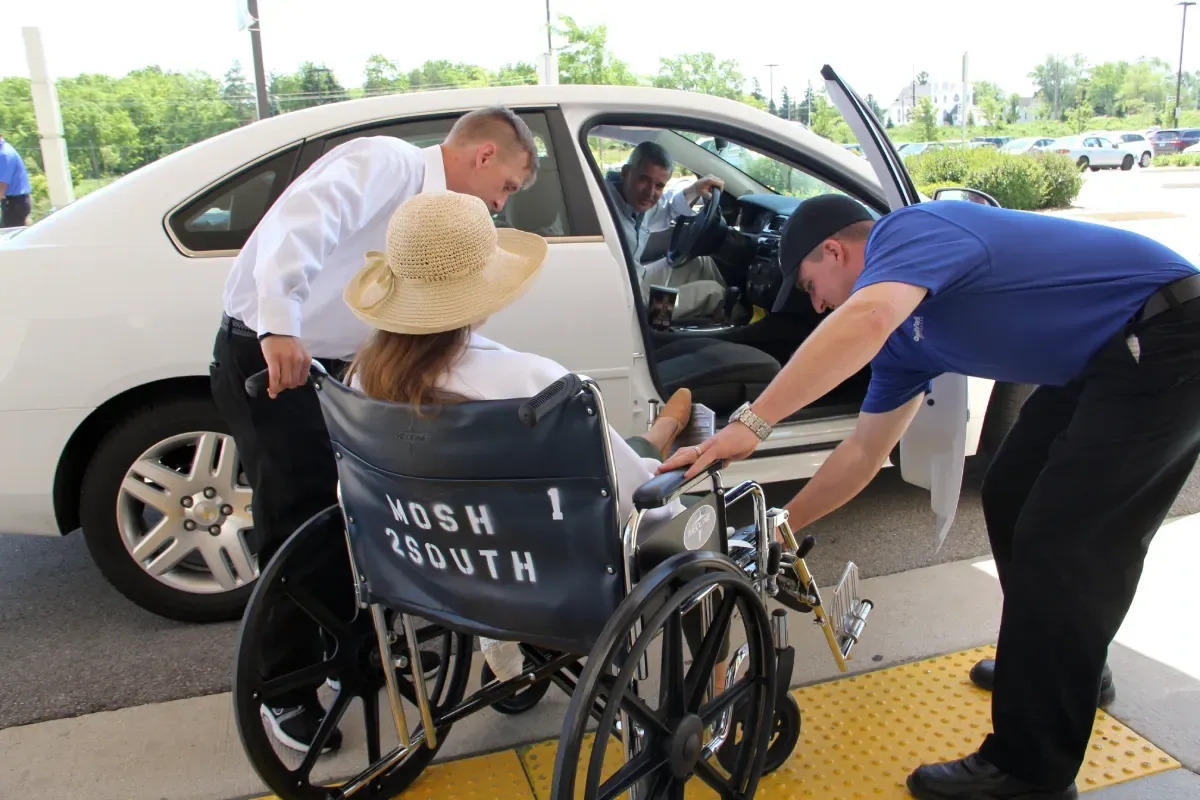
- Drivers are trained to assist patients with limited mobility.
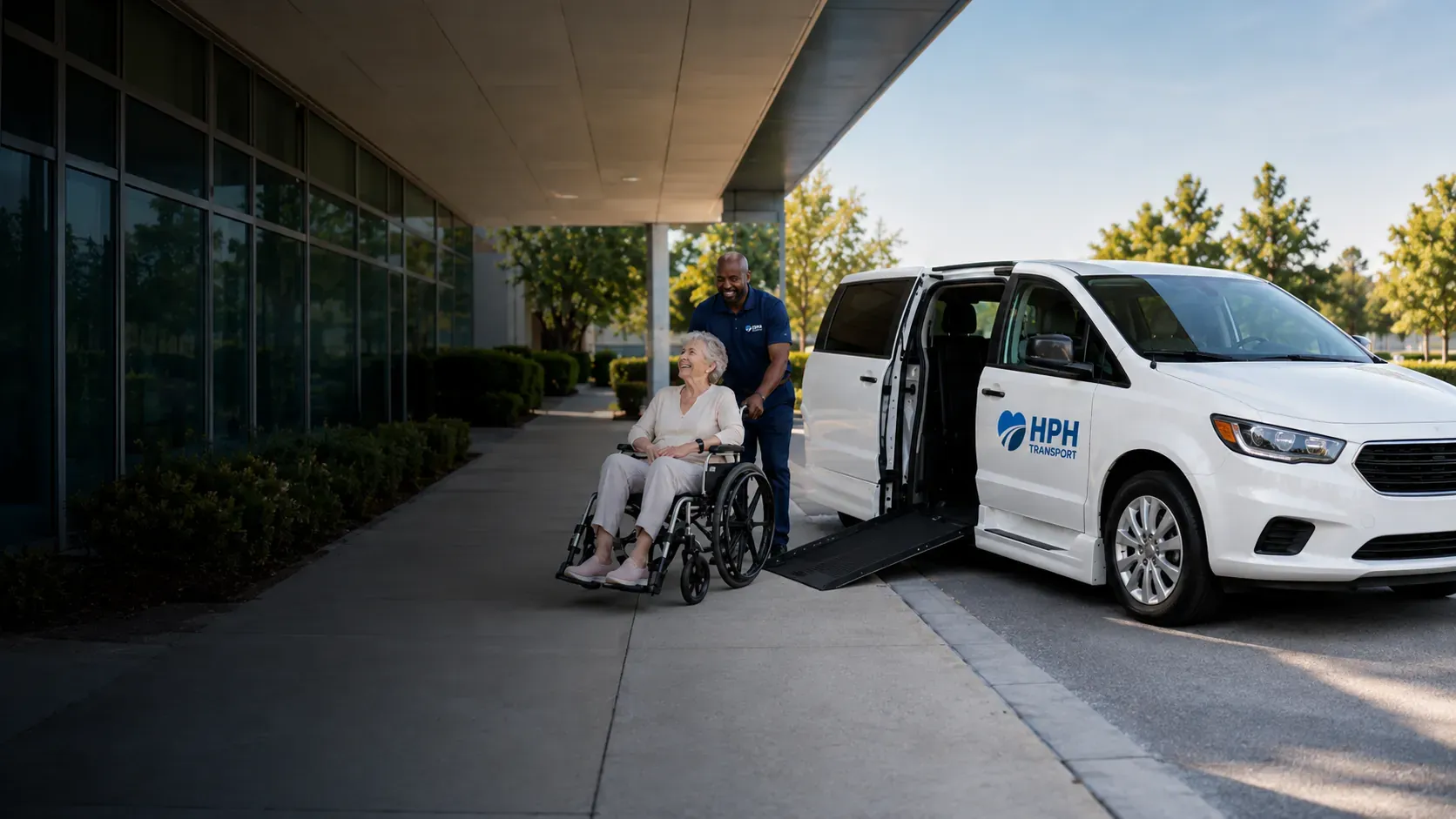
- Vehicles can accommodate wheelchairs and mobility equipment.
- Rides are scheduled and coordinated with hospital staff ahead of time.
- Real-time patient location tracking keeps care teams and families informed.
- The entire service is built around patient safety, not convenience or speed.
This distinction matters most for patients who are elderly, post-surgical, or managing chronic conditions. For those patients, the wrong ride home can undo hours of careful clinical work.
The Link Between Discharge Transportation and Readmission Rates
Many hospitals and health systems underestimate this connection. But the data is consistent. Transportation barriers are a well-documented driver of higher readmission rates. When patients cannot get to follow-up appointments after leaving the hospital, their condition is more likely to worsen. When they cannot pick up prescriptions, they skip medications. When they feel unsupported in the days post-discharge, they often end up calling 911 and returning to the emergency room.
A preventable readmission is expensive for the health system and hard on the patient.
What Research Shows About Transportation and Patient Safety
The American Hospital Association and other healthcare organizations have identified a lack of transportation as a significant social determinant of health. The pattern that emerges consistently includes:
- Missed follow-up appointments after discharge.
- Delayed or skipped prescription pickups.
- Increased emergency department visits for non-emergency issues.
- Higher 30-day readmission rates, especially in patients with chronic conditions.
Addressing transportation is not a soft, feel-good initiative. It is a practical strategy for reducing readmissions and improving patient care quality.
Why Post-Discharge Hours Are High-Risk
The first 24 to 72 hours after leaving the hospital are among the most vulnerable in a patient’s recovery. Patients are adjusting to new medications. They are navigating complex instructions under physical and mental fatigue. They may be returning to a home environment that is not set up to support recovery.
Adding a stressful or unreliable transportation experience to that window increases risk. Removing that friction helps ensure patients transition home with confidence rather than anxiety.
Who Needs Hospital Discharge Transportation?
Not every patient requires specialized transport. But many do, and they tend to be the same patients at highest risk of readmission.
Patients With Limited Mobility
Patients recovering from orthopedic surgery, strokes, or significant injuries often cannot safely enter a standard vehicle. They need space, assistance, and a driver who understands how to help without causing harm.
Patients Managing Chronic Conditions
Heart failure, COPD, diabetes, and kidney disease are among the most common drivers of hospital readmission. These patients often leave with complex medication regimens, dietary restrictions, and multiple follow-up appointments. Getting them home safely and ensuring they get to those appointments is essential to keeping them out of the hospital.
Patients Who Live Alone
A patient with no one at home faces a higher risk of complications going unaddressed. They are more likely to delay calling for help or to use emergency services for situations that a follow-up appointment could have handled. Reliable transport and a known point of contact reduce that risk.
Patients Without Personal Transportation Access
Many patients do not own a car and do not have family or friends who can drive them. Non-emergency medical transportation directly fills that gap. It gives these patients the same level of post-discharge support that others may take for granted.
Discharge Planning and the Role Transportation Plays
Effective discharge planning begins well before a patient leaves the hospital. Done right, it includes a full picture of what the patient will need after leaving, including where they will go and how they will get there. Transportation is often the last item on the list. That needs to change.
What a Thorough Discharge Plan Addresses
Hospital staff and care coordinators typically work through several components:
- Medications, wound care, and other clinical needs after discharge.
- Living situation and available home support.
- Follow-up appointment scheduling and specialist referrals.
- Patient education on warning signs and recovery expectations.
- Transportation arrangements for the ride home and ongoing appointments.
When transportation is treated as an afterthought, it creates gaps in an otherwise well-organized plan. A patient can have every clinical detail sorted and still fall through the cracks because no one arranged a reliable way for them to get to their next appointment.
How Coordinated Transport Improves Outcomes
When transport is built into discharge planning from the start, the whole process runs more smoothly. Patients arrive at follow-up appointments on time. Medications get picked up. Hospital staff spend less time placing last-minute calls to sort out rides. And health outcomes across the board reflect the difference.
A dedicated transportation partner who understands how hospital discharge processes work is not a luxury. It is a practical operational resource.
What Non-Emergency Medical Transportation Actually Provides
Non-emergency medical transportation (NEMT) is a specialized service designed for patients who need medical accommodation and trained support but do not require an ambulance.
Common uses for NEMT services include:
- Hospital discharge rides home.
- Transport to and from post-discharge follow-up appointments.
- Ongoing rides for dialysis and infusion treatments.
- Transport for patients with limited mobility who cannot use standard vehicles.
- Routine medical appointment transport for patients managing chronic conditions.
Why NEMT Is Not the Same as Rideshare
Rideshare platforms have expanded transportation access in meaningful ways. But they are not built for medical transport.
The differences are significant:
- NEMT drivers receive patient-centered training; rideshare drivers do not.
- NEMT vehicles can accommodate wheelchairs and mobility devices.
- NEMT providers coordinate directly with healthcare teams and discharge planners.
- NEMT services offer real-time vehicle location mapping and operational transparency.
- The entire service model is built around patient care, not commuter convenience.
HPH Transport, for example, provides dedicated drivers, real-time patient location tracking, and trip transparency that healthcare organizations can integrate into their discharge workflows. That level of coordination is not available through a standard ride-hailing app.
The Cost Case for NEMT
Some healthcare administrators assume outsourcing transportation adds cost. In practice, the return on that investment is significant.
A single 30-day readmission can cost a hospital tens of thousands of dollars, not counting CMS penalties for preventable readmissions. A reliable discharge ride, by comparison, is a small fraction of that cost. When patients get home safely and follow through on post-discharge care, the total cost of their care goes down.
Non-emergency medical transportation is one of the more cost-effective strategies available for reducing readmission rates.
Benefits of Getting Discharge Transportation Right
The impact of reliable hospital discharge transportation extends well beyond the ride itself.
For the Patient
- Less anxiety about getting home safely after leaving the hospital.
- Familiar, consistent driver support across multiple appointments.
- Better adherence to follow-up care plans.
- Smoother, less stressful transition from hospital to home.
- Improved confidence in managing recovery independently.
For Hospital Staff
- Fewer last-minute transportation problems at discharge.
- More time is available for clinical care and patient education.
- Higher discharge completion rates with fewer delays.
- Fewer follow-up calls about patients who missed appointments.
For Health Outcomes Overall
- Measurable reduction in 30-day readmission rates.
- Better management of chronic conditions between hospital visits.
- Fewer non-emergency emergency department visits.
- Stronger patient satisfaction scores across the care experience.
When patients feel genuinely supported as they leave the hospital, they recover better. That is good for patients and good for the health systems caring for them.
What to Look for in a Hospital Discharge Transportation Provider
Healthcare organizations evaluating transportation partners should look beyond price alone. Here is what actually matters.
Real-Time Tracking and Operational Transparency
Discharge transportation should be visible. Look for providers that offer real-time vehicle location mapping so hospital staff and family members can track patient transport without calling the driver.
Patient-Centered Driver Training
Drivers working with medical patients need more than a clean record. They need to understand how to assist patients with limited mobility, how to communicate with people who may be fatigued or anxious, and how to represent the care organization they are partnered with.
Direct Coordination With Care Teams
A transportation provider should integrate into the discharge process, not operate separately from it. Look for providers experienced in working with hospital staff, discharge planners, and care coordinators.
Consistency and Dedicated Drivers
Patients benefit from seeing the same driver. Familiarity builds trust, especially for patients who are already anxious or dealing with chronic conditions. Broker-based or rotating driver models create unpredictability that works against patient confidence.
Scheduling Flexibility
Discharge transportation needs vary. A good provider supports both on-demand scheduling for same-day discharge situations and planned, recurring transport for patients with ongoing appointment needs.
How HPH Transport Supports Patient Transitions Home
HPH Transport is a non-emergency medical transportation provider built specifically for healthcare organizations. Based in Barrington, Illinois, HPH Transport works with hospitals, health systems, and clinics to make the transition from hospital to home safer, smoother, and more coordinated.
What HPH Transport brings to the table:
- On-demand and scheduled transport options designed around hospital workflows.
- Dedicated drivers who build consistent relationships with patients.
- Real-time patient location tracking and full trip transparency.
- Customized vehicle branding that reinforces the partner organization’s identity at the patient’s front door.
- A patient-centered service model built to improve the end-to-end care journey.
For healthcare organizations working to reduce readmission rates, improve patient care, and close gaps in the post-discharge experience, having the right transportation partner is part of the care plan, not an afterthought.
To learn more or request a proposal, reach HPH Transport at 847-842-8366 or hello@hphtransport.com.
Frequently Asked Questions
What is hospital discharge transportation?
Hospital discharge transportation is the coordinated, safe process of moving a patient from a hospital or care facility back to their home or next care setting after they are medically cleared to leave. It involves trained drivers, appropriate vehicles, and coordination with hospital staff.
How does discharge transportation help reduce hospital readmissions?
When patients get home safely and follow through on post-discharge appointments and medications, they are less likely to experience complications that lead to readmission. Transportation barriers are a leading cause of missed follow-up care, which is one of the primary drivers of higher readmission rates.
What is non-emergency medical transportation (NEMT)?
Non-emergency medical transportation refers to transport services designed for patients who need a safe, medically appropriate ride but do not require an ambulance. NEMT services cover hospital discharge rides, follow-up appointment transport, dialysis rides, and more.
Is NEMT different from a rideshare or taxi service?
Yes. NEMT providers offer trained drivers, vehicles that accommodate patients with limited mobility, real-time tracking, and direct coordination with care teams. Rideshare and taxi services are not designed for medical patients and do not provide these features.
Who benefits most from hospital discharge transportation services?
Patients with limited mobility, those managing chronic conditions, elderly patients, patients who live alone, and anyone without reliable personal transportation benefit most. These groups also tend to be at the highest risk of readmission, making reliable discharge transport especially valuable.
How should hospitals arrange discharge transportation?
Transportation should be part of the discharge planning process, not arranged at the last minute. Hospital staff or care coordinators work with a transportation partner to confirm a ride before the patient leaves. Working with a dedicated NEMT provider like HPH Transport makes that coordination more reliable and consistent.
Does discharge transportation affect patient satisfaction scores?
Yes. Patients who feel supported and safe as they leave the hospital consistently report higher satisfaction. A reliable, courteous, and familiar transportation experience is a meaningful part of the overall patient care impression.
What technology should a good transportation provider offer?
Look for real-time patient location tracking, trip transparency, and coordination tools that integrate with hospital workflows. HPH Transport offers real-time vehicle location mapping and operational transparency, so care teams are never left guessing about a patient’s status.
How can healthcare organizations partner with HPH Transport?
You can reach HPH Transport by calling 847-842-8366, emailing hello@hphtransport.com, or visiting hphtransport.com to request a proposal. Their team works directly with healthcare organizations to build transportation programs that fit their specific patient population and operational needs.