
 CLIENT LOG IN
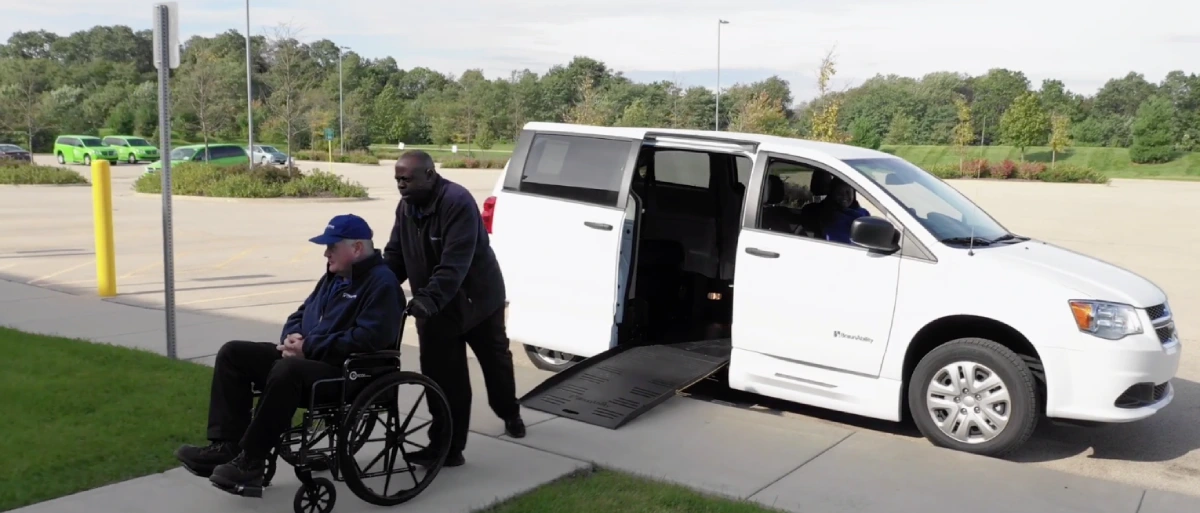
Getting to a medical appointment sounds simple. For millions of people, it is anything but.
Each year, about 3.6 million people in the United States miss or delay medical care because they cannot find a ride. That figure comes from the American Hospital Association. The cost is steep. Patients lose access to care. Facilities lose time, revenue, and trust.
This is exactly why healthcare transportation solutions belong at the top of every provider’s priority list. When patients cannot reach care, the care itself does not matter much.
Below, we break down the real reasons healthcare facilities should treat transportation as a core part of patient care. We work through each angle separately so the full picture is clear, from patient access to the bottom line.
The Transportation Gap in Healthcare Today
Transportation is one of the most overlooked barriers to healthcare access. It rarely shows up on a chart. It quietly keeps people away.
The numbers tell the story:
1- Roughly 5% of all U.S. adults report skipping needed health care because of transportation barriers, per the Urban Institute.
2- More than 1 in 5 adults without a vehicle or reliable public transportation missed a medical appointment in the past year.
3- In 2017 alone, 5.8 million Americans delayed medical care because they had no way to get there.
These gaps are not spread evenly. Older adults, people with disabilities, low-income households, and rural residents face the hardest barriers to access to transportation.
A patient cannot benefit from the care service they need if they cannot reach the building. Many people have no personal vehicle. Others cannot rely on public transportation because of fixed routes, long delays, or mobility issues.
For these groups, a missing ride often means a missed diagnosis. Over the long term, small gaps in care turn into serious health problems.
How Transportation Affects Patient Health Outcomes
Reliable rides do more than move people. They shape health outcomes in direct ways.
Better Outcomes Through Consistent Care
When patients cannot get to care, they skip screenings. They delay follow-ups. They stop refilling prescriptions.
The result is a slow slide in health. Chronic conditions like diabetes and hypertension get worse. Manageable problems become emergencies.
Improved transportation reverses this pattern. When patients have access to reliable rides, the benefits stack up:
1- Fewer emergency room visits
2- Better control of chronic diseases
3- Higher adherence to long-term treatment plans
4- A stronger quality of life for aging populations
The Value of Preventive Care and Early Detection
A guaranteed ride means patients keep routine screenings. Early detection saves lives.
With improved transportation, people show up for mammograms, colonoscopies, and routine blood work on time. Problems get caught early, when they are easiest and cheapest to treat.
Transportation as a Social Determinant of Health
Public health experts now treat transportation as a social determinant of health. It sits alongside housing, food, and income as a factor that shapes wellbeing.
When a healthcare facility offers dedicated rides, it acts directly on that social factor. This helps level the playing field for vulnerable patients.
The link is simple. Better access to healthcare starts with better access to transportation. Improving access at the front end protects health outcomes at every stage after.
What Transportation Barriers Cost Healthcare Facilities
The case for transportation is not only about patients. It is also about the bottom line.
Lost Revenue and Wasted Resources
A no-show is an empty slot. That slot still carries a cost. Staff, space, and equipment all sit idle.
Missed medical appointments cost the U.S. health care system as much as $150 billion each year, according to industry estimates. Every missed visit chips away at both revenue and care quality.
Healthcare transportation solutions reduce no-shows. Fewer empty slots mean steadier schedules and a stronger reduction in total costs over time.
Labor Efficiency and Operational Flow
Staff scheduling depends on predictability. When patients arrive on time, the whole team keeps a steady rhythm.
The operational gains are real:
1- Less administrative time spent rescheduling missed visits
2- Lower overtime costs from staff staying late
3- Smooth handoffs between back-to-back appointments
4- Better use of clinical rooms and diagnostic machines
A dependable care service also gives patients peace of mind. They know how they are getting home before they even arrive. That experience builds loyalty, and a facility that solves the ride problem becomes the facility patients trust.
What Effective Healthcare Transportation Solutions Look Like
Not every ride program is built the same. The strongest healthcare transportation solutions are designed around the patient, not just the trip.
This is where non-emergency medical transportation, or NEMT, comes in. NEMT services for healthcare facilities help patients who cannot drive themselves or rely on public transportation reach their appointments safely. Drivers are trained to assist people with mobility challenges, from the front door to the clinic desk.
Key Features of Quality NEMT Services for Healthcare Facilities
Look for a model that offers more than a basic pickup. Strong programs include:
1- On-demand and scheduled rides that match real appointment needs
2- A dedicated vehicle and driver assigned exclusively to your facility
3- Drivers who become an extension of your team, getting to know your staff, patients, workflows, and transportation requirements
4- Consistent, familiar transportation that helps patients feel comfortable and supported throughout their care journey
5- Safe patient technology built specifically for medical transportation
6- Real-time patient and vehicle location tracking
7- Trip and transaction transparency for the facility
A cost-effective structure that often outperforms broker-based or ride-hailing models in both service quality and reliability
Why It Matters
Unlike broker networks or rideshare services that send a different driver each trip, a dedicated transportation program provides continuity. The same driver and vehicle serve your facility, allowing them to build relationships with staff and patients, understand your operational needs, and deliver a more reliable, patient-centered experience. This consistency helps improve communication, reduce missed appointments, and create a seamless extension of your care team.
HPH Transport built its programs around these principles. The goal is a connected healthcare journey from the front door to the clinic and back, not a one-off trip.
How This Differs From Ride Hailing
Ride-hailing apps were not designed for patients. They send whatever driver is closest. There is no continuity and little accountability.
A purpose-built care service is different. It treats the ride as part of the care plan. That distinction matters most for vulnerable patients who need familiarity and reliability.
How to Choose the Right Transportation Partner
Once a facility decides to act, the next step is picking the right partner. The choice shapes how well the program works over the long term.
Use this short checklist when comparing providers:
1- Does the model lower total transportation costs rather than add to them?
2- Are drivers trained specifically to support patients?
3- Is there technology to track rides and confirm trips in real time?
4- Can the service scale with patient demand?
5- Does the partner understand the public health stakes behind every ride?
The Edge of Technology-Driven Transparency
Modern care depends on tracking and accountability. Facilities need to know where their patients are to manage the day.
HPH Transport uses real-time vehicle location mapping for exactly this reason. The organization gets full visibility into arrival times, which keeps daily operations running like clockwork.
The federal Department of Transportation and public health agencies continue to flag access to transportation as a national priority. Facilities that act now stay ahead of that curve.
Final Thoughts
Transportation is no longer a side issue. It is central to access to healthcare and to strong health outcomes across the United States.
Patients who can reach care get care. Facilities that remove the ride barrier protect both their patients and their performance.
Prioritizing healthcare transportation solutions is not just good service. It is good medicine and good business. HPH Transport exists to make that priority practical.
Frequently Asked Questions
What are healthcare transportation solutions?
These are services that help patients travel to and from medical appointments. They cover scheduling, dedicated drivers, vehicle tracking, and a care-focused experience. The goal is to remove transportation as a barrier to care.
What is NEMT?
NEMT stands for non-emergency medical transportation. It serves patients who need a ride to routine or scheduled care but do not require an ambulance. NEMT services for healthcare facilities support people who cannot drive or use public transportation on their own.
Why should healthcare facilities offer transportation?
Because missing rides leads to missed care. Transportation barriers raise no-show rates, hurt health outcomes, and cost the system billions each year. Offering reliable rides protects patients and improves facility efficiency.
How does reliable transport lower total healthcare costs?
It cuts expensive emergency room visits and helps prevent readmissions. Patients get care in lower-cost clinic settings before their conditions worsen. Fewer no-shows also protect daily revenue.
Who benefits most from NEMT services?
Older adults, people with disabilities, low-income patients, and rural residents tend to benefit the most. These groups face the steepest barriers to access to transportation and the greatest risk when they miss care.
What is the role of the Department of Transportation in medical transit?
Federal and state transportation agencies fund public infrastructure and transit systems. These systems often lack the specialized vehicles and trained drivers that patients need. That is why many facilities turn to dedicated partners for medical rides.
How is HPH Transport different from ride-hailing services?
HPH Transport uses dedicated drivers and vehicles, safe patient technology, and real-time tracking in a cost-effective model built for healthcare organizations. Unlike ride-hailing or broker-based scheduling, it treats each ride as part of a connected healthcare journey rather than a random pickup.


