
 CLIENT LOG IN
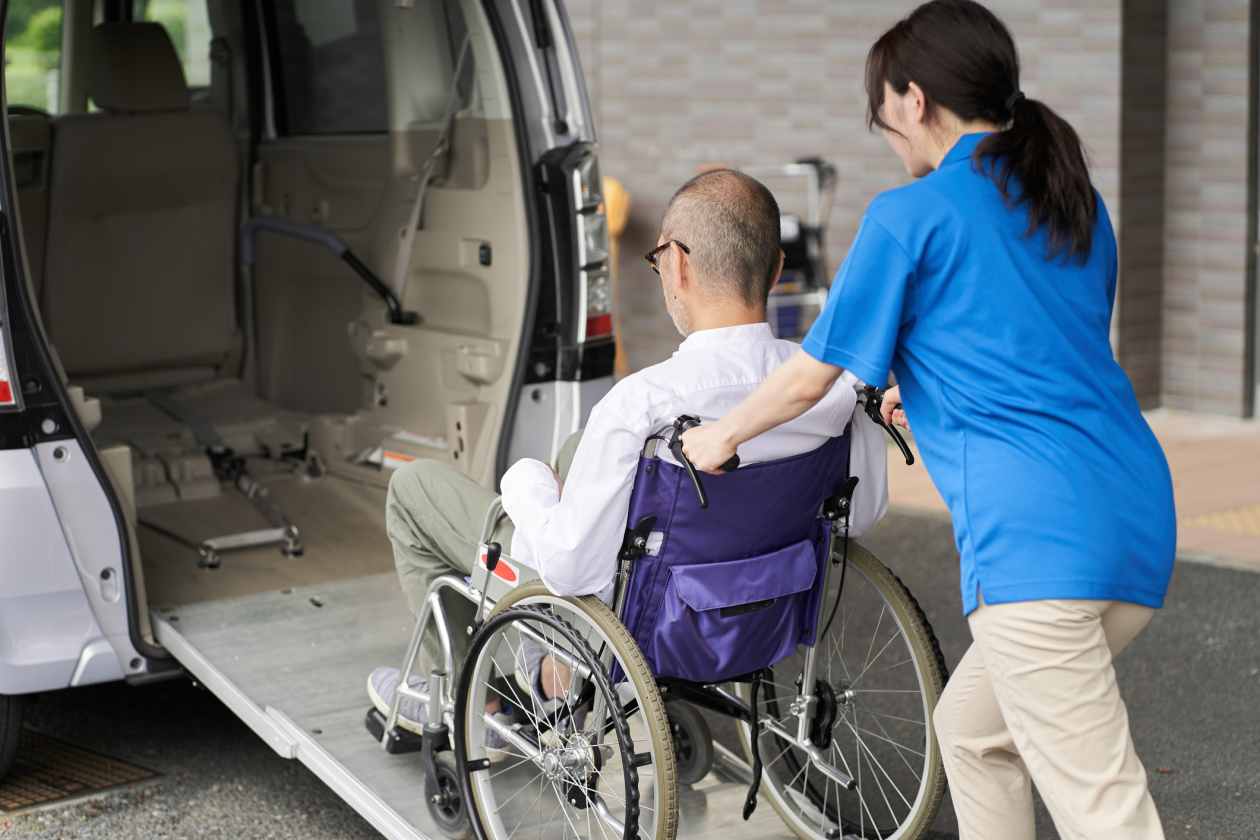
Healthcare access extends beyond the availability of providers and services; it depends on whether patients can physically reach care. For many individuals, especially those facing economic, physical, or geographic challenges, transportation is one of the most significant barriers to healthcare access.
Reliable patient transportation services play a critical role in promoting healthcare equity by reducing disparities and ensuring all patients can receive the care they need. This article explores how structured transportation solutions enhance access, support underserved populations, and improve health outcomes across communities.
Transportation as a Barrier to Healthcare Access
Millions of patients delay or miss medical care each year due to transportation challenges. Common barriers include:
1- Lack of personal vehicles
2- Inaccessible public transportation
3- Physical or cognitive limitations
4- Financial constraints
5- Distance from healthcare facilities
These challenges disproportionately affect low-income patients, elderly individuals, people with disabilities, and behavioral health populations.
How Reliable Transportation Improves Access to Care
Ensuring Appointment Attendance
When patients have dependable transportation, they are far more likely to attend scheduled appointments. This consistency supports early intervention, preventive care, and effective treatment plans.
Supporting Preventive and Routine Care
Transportation access enables patients to attend routine checkups and screenings, reducing reliance on emergency care and improving long-term health outcomes.
Improving Behavioral Health Engagement
Behavioral health treatment requires consistency and trust. Transportation reliability reduces missed therapy sessions and supports ongoing engagement in care.
Advancing Healthcare Equity Through Transportation
Healthcare equity means ensuring all patients, regardless of income, mobility, or circumstance have fair access to care. Patient transportation directly supports this goal by leveling the playing field for underserved populations.
Reducing Disparities
Transportation services help eliminate disparities caused by socioeconomic and geographic factors, allowing patients to access care on equal footing.
Supporting Vulnerable Populations
Patients with chronic illness, disabilities, or behavioral health needs benefit from transportation services designed to accommodate their specific requirements.
Strengthening Community Health
When transportation barriers are removed, communities experience better health outcomes, fewer emergency visits, and improved care coordination.
The Role of Healthcare Organizations
Healthcare facilities increasingly recognize transportation as a strategic component of care delivery. By partnering with professional patient transportation providers, organizations can:
1- Improve appointment adherence
2- Reduce missed visit costs
3- Support value-based care initiatives
4- Enhance patient satisfaction and trust
Transportation programs also help care teams focus on clinical responsibilities rather than logistical challenges.
Transportation and Value-Based Care
As healthcare shifts toward value-based care models, outcomes and patient experience matter more than volume. Reliable transportation directly supports these goals by improving access, continuity, and preventive care engagement key drivers of value-based success.
Patient transportation is not merely a logistical service it is a powerful tool for improving healthcare access and advancing equity. By removing transportation barriers, healthcare organizations can ensure more patients receive timely, consistent, and effective care.
Reliable transportation strengthens the healthcare system as a whole, supporting better outcomes for patients, providers, and communities alike.


